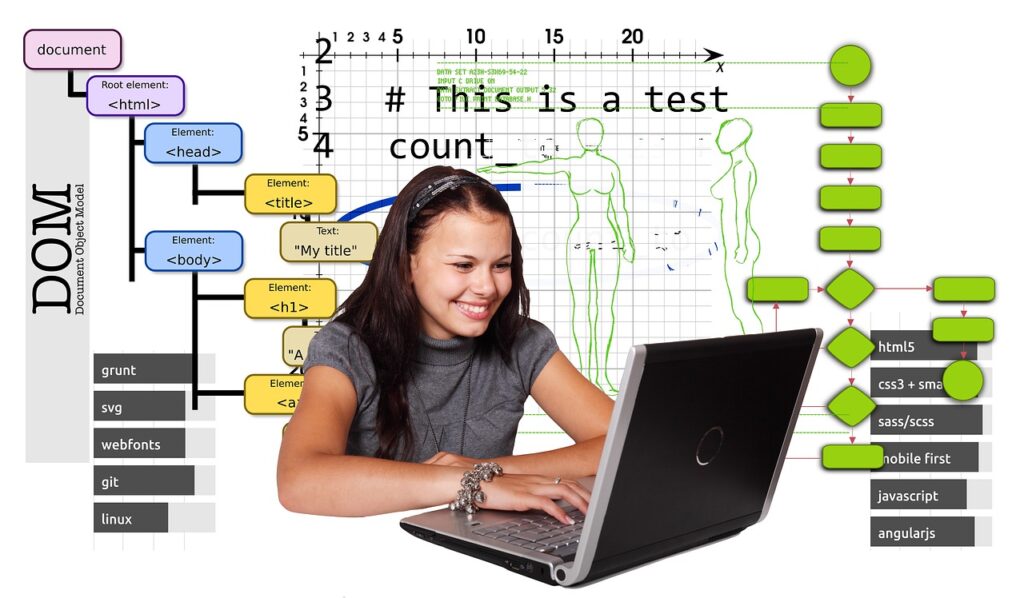
La informática es la ciencia que estudia el tratamiento automático de la información mediante computadoras y sistemas digitales. Abarca el diseño y desarrollo de software, hardware, y redes, así como la implementación de algoritmos y la gestión de datos. Además de ser una disciplina técnica, la informática influye en diversos sectores como la educación, la salud y los negocios, impulsando la innovación tecnológica.
En esta categoría del blog Hilmer IA, se profundiza en cómo estas áreas impactan el desarrollo de soluciones eficientes y accesibles en la sociedad actual. Se exploran temas esenciales relacionados con la tecnología y su impacto en el mundo moderno. Los artículos abarcan una amplia variedad de tópicos como semiconductores, lenguajes de programación, y el futuro del procesamiento del lenguaje natural (PLN). También ofrecen guías prácticas sobre herramientas y recursos informáticos útiles para estudiantes, profesionales, y creadores de contenido.
Puedes leer más sobre este tema en las siguientes entradas.
Puede ser algo básico, pero es esencial entender los paradigmas de programación. Estos son diferentes enfoques o formas de pensar sobre cómo abordar un problema de programación. Conocer y entender estos paradigmas…
Si trabajas con conjuntos de datos durante un tiempo suficiente, al final tendrá que tratar con estadística descriptiva. Si le preguntas a una persona común qué es la estadística, probablemente…
Son muchas ventajas y desventajas sobre lo que es el B-Learning. También conocido como blended learning (o teleformación, educación virtual, cursos en línea, enseñanza flexible, educación web, docencia en línea, entre otros).…
Used to determine whether a user is included in an A / B or Multivariate test.
18 months
_ga
ID used to identify users
2 years
_gali
Used by Google Analytics to determine which links on a page are being clicked
30 seconds
_ga_
ID used to identify users
2 years
_gid
ID used to identify users for 24 hours after last activity
24 hours
_gat
Used to monitor number of Google Analytics server requests when using Google Tag Manager
1 minute
_gac_
Contains information related to marketing campaigns of the user. These are shared with Google AdWords / Google Ads when the Google Ads and Google Analytics accounts are linked together.
90 days
__utma
ID used to identify users and sessions
2 years after last activity
__utmt
Used to monitor number of Google Analytics server requests
10 minutes
__utmb
Used to distinguish new sessions and visits. This cookie is set when the GA.js javascript library is loaded and there is no existing __utmb cookie. The cookie is updated every time data is sent to the Google Analytics server.
30 minutes after last activity
__utmc
Used only with old Urchin versions of Google Analytics and not with GA.js. Was used to distinguish between new sessions and visits at the end of a session.
End of session (browser)
__utmz
Contains information about the traffic source or campaign that directed user to the website. The cookie is set when the GA.js javascript is loaded and updated when data is sent to the Google Anaytics server
6 months after last activity
__utmv
Contains custom information set by the web developer via the _setCustomVar method in Google Analytics. This cookie is updated every time new data is sent to the Google Analytics server.